



When starting to make healthier choices you probably know you should be eating healthier but how are you suppose to know what foods are healthy and which foods are….less healthy. I think when making choices there are different tiers. There’s a poor choice, a better choice and the best choice. I don’t think we can expect to start off making every choice as the best. Nor do I think the average person wants to live the rest of their life making only the most nutritious choices. When dealing with change, any step in the right direction is measured progress. As such, replacing poor choices with better choices helps to achieve noticeable differences in body composition, energy levels, sleep patterns and health metrics like blood pressure, cholesterol, and blood sugar.

So you have probably seen a strange looking label on food with a lot of seemingly useless, hard to read information that may or may not make any sense to you. Maybe you eat food and have never noticed a label on the food at all. This label is known as a nutrition label and identifies the main components of what you are eating including all the macronutrients (carbohydrates, protein, and fat) as well as the micronutrients (vitamins and minerals).
Another major purpose of the nutrition label is to define how much you are eating. This is represented by the serving size. The main focus however seems to be placed on how much energy you are getting per serving size which is represented as calories. However, you have to be careful because while technically calories represent a measurement of energy, when it comes to nutrition and weight loss, not all calories are the equal. I think most would agree 120 calories found in a large apple is not same as 120 calories found in 3 donut holes.
How do I make sense of all these number’s and percentages?
The FDA recently changed the make up of the nutrition label. Did you notice? The labels are now a bit easier to read and have more up-to-date, useful information. An emphasis was placed on a more realistic serving size (showing a single donut hole as a serving is a bit misleading if the average person eats 6-8 donut holes). Let’s go through the most important information you should look for on a nutrition label if you are trying to eat healthy and lose weight.
How Much Am I Eating?
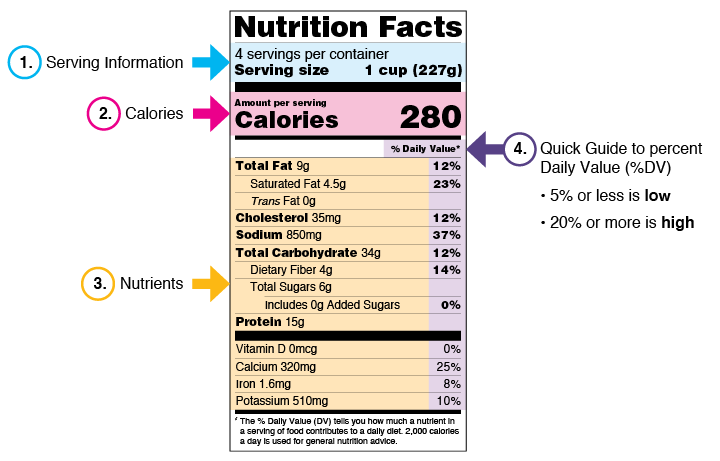
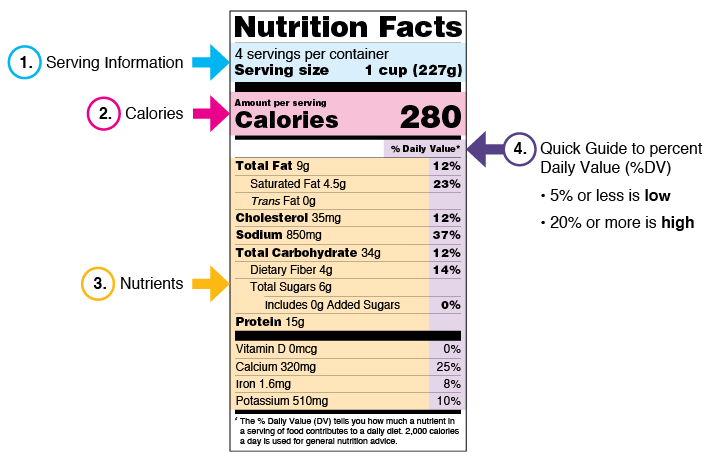
Going through this conveniently highlighted label by section we can start at number 1: The serving size. This information is critical because the calculations of all of the values for what you eat are established by a serving size. Here, the serving size is 1 cup but, if you have the bad habit of eating while distracted , you may have indulged in 2 cups before you realized you should stop eating or you became full. If this is the case you would need to multiply the value you are looking at by 2 (2 cups or double the servings).
CALORIES!
With the first change to the nutrition label in 20 years, the FDA made this a highlight and wanted it to be clear and easier to see. The amount of calories PER SERVING now stands out in a bigger font and is in bold print. In this example label there are 280 calories in 1 cup so if you did eat 2 cups, you would need to multiple 280 by 2. Your total calories consumed is actually 560. You can imagine how this could add up quickly if the serving size did not accurately reflect how much one would typically eat in one sitting.
Nutrients
I will do a deeper dive into individual nutrients soon but for now you should know there are 2 main categories of nutrients; macronutrients and micronutrients. Macronutrients are the things you have probably heard of the most when it comes to nutrition. Their proper combination, timing, and quantity is an endless debate amongst dietitians, nutritionists, healthcare providers, trainers and any person looking to promote their opinion with technology and time. These macronutrients are of course fat, carbohydrates , and protein and they are all essential for a healthy body. Micronutrients are not less important, they are just REQUIRED in less quantities so they are labeled micro. These are better known as vitamins and minerals and good examples of them are the vitamin C in citrus fruits and the iron found in meat.
All fat is bad fat right?
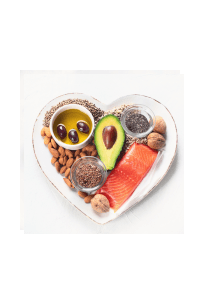
Definitely not. Much like the tiers of choice making, there are tiers of fats. Fats are basically classified as unsaturated and saturated. Following the KISS principle of Keeping It Super Simple, monounsaturated fats are fatty chains that are not “saturated’ or filled with hydrogen atoms and have a single double bond in their fatty acid chain. Polyunsaturated fats are also not “saturated” or filled with hydrogen atoms but have multiple double bonds in the fatty acid chain. I know I said super simple…. not biochemistry. These “unsaturated” types of fats are the healthier types of fat and can be found in avocado, coconut oil, olive oil, and certain fish like salmon. These fats are typically liquid at room temperature and I would consider these as best tiered fats.
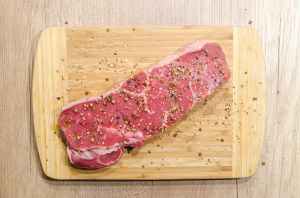
Conversely saturated fats are typically solid at room temperature and are filled with hydrogen atoms, having zero double bonds. There’s simply no room with all those hydrogen atoms. These are typically found in animal meats and butter. Think about the marbled fat you might see in a rib eye steak. I would consider these as better tiered fats.
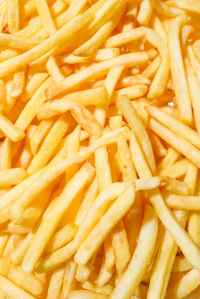
So then what is the worst fat? Well you have probably heard of him. The dreaded TRANS-FATTY ACID. While this type of fat does occur naturally in small quantities, it is largely an industrial process. It involves industrial chemical processes that flip the hydrogen atoms to opposite (trans) side of the double bond. The main benefit of trans-fatty acids is the commercial benefit of longer shelf life of foods and longer use of vegetable oils used at many fast food restaurants. Trans-fatty acids lower good cholesterol and raise bad cholesterol leading to increased risk of heart disease. Other than tasting good, there are no appreciable health benefits to trans fatty acids.
When looking at the nutrition label, look for unsaturated fats but most importantly ZERO trans fats. You want to stay away from processed foods. They can even be tricky by adding the verbiage of “partially hydrogenated oils” which is the process by which trans fatty acids are made.
Carbohydrates cause weight gain right?
Not necessarily. Everyone has heard the saying “everything in moderation”. Nothing could be more true for our delightfully tasteful friends called carbohydrates. The choice tiers also apply here. There are best choices, better choices and poor choices. Just like I talked earlier about calories; not all carbohydrates are the same. The main thing to look for on the nutrition label is Total Carbohydrates, Dietary Fiber, and Added Sugars. Now look closely at this label. It says Total carbohydrates 34g, Dietary fiber 4g and sugars 6g. ( there are 0 added sugars, which is good). Being a physician, I’ve had some practice with math and these numbers don’t tell the whole story.

If there are 4 grams of fiber and 6 grams of sugar and 0 grams of added sugar, WHAT CARBS ARE LEFT? These are the carbs called starches. If you are a keto diet follower then you are probably familiar with the made-up-term net carbs. This term came during the Atkins boom of the early 2000s and does not count fiber or sugar alcohols because they are thought to pass through the digestive track unabsorbed and do not have caloric value (controversy alert). Stated another way, it only counts sugars and starches. While carbohydrates are also not the enemy, too many carbs (mostly processed carbs) are consumed by Americans and are the leading reason for the obesity crisis. It’s not really about the quantity of carbs being consumed but the quality.
When looking at nutrition labels, be mindful about how much Sugar and especially added sugar is in what you are eating. Sugars are natural sugars found in fruits, vegetables, milk, and “added sugar” could be anything from table sugar, high fructose corn syrup, molasses, honey dextrose and many more. The World Health Organization (WHO) changed it’s recommended daily intake of sugar from 10% of total calories to 5% of total calories in 2014. I would add that if you’re serious about losing weight, then try to avoid added sugar all together.
Did you know that when you consume sugar it results in an insulin spike that effectively impairs your ability to burn fat and promotes fat storage? This is why timing and quality of carb consumption can be beneficial when trying to loose weight. Let’s not get too caught up in this statement right now but keep on with the nutrition label break down.
Too much protein will damage my Kidneys.
No.. with one presumption that you have healthy kidneys. This protein macro is pretty straight forward. There are many different sources of protein and ways to consume protein by as far as a food nutrition label goes, protein is protein. It is composed of building blocks called amino acids and is typically labeled in grams. The recommended daily allowance (RDA)of protein is 0.8 grams. Now this is the minimum suggested value in order to avoid health problems. The optimal number varies from person to person and is influenced by their activity and muscle mass. With this being said, the number is probably closer to 1-1.2 gram/kg. A 175 lb. person weighs 80 kilograms (divide 175 by 2.2) so they should probably get close to 80-96 grams of protein a day. Eating more protein has been directly linked to fewer calories consumed, weight loss, and improved body composition. Specifically (when combined with moderate levels of exercise) it increases muscle mass and decreases body fat percentage and body fat mass.
For most people who are over weight and have healthy kidneys, a diet low in carbs especially added sugars and high in protein is going to be the most effective plan.
Small but Necessary
As stated previously, micronutrients are every bit as important as macro nutrients but their required amount is much smaller. Again these micronutrients are things like Vitamins A, B, C, D, E, K and elements such as Calcium, potassium, iron, iodine, magnesium and selenium. If a person becomes deficient in any one of them, serious health problem might arise. You may notice a mcg next to these nutrients. This is because they are measured in micrograms or 1 millionth of a gram or 1/1000th of a milligram. So… micro it is.
Ok, but what about all those %%%%%?
You may have thought this was percent needed to eat, percent contained in every serving or percent contained in each container. The percentage is the % Daily Value which IF you squint enough or have exceptional fine print skills, you will see it is a reflection of the daily recommended value for that category based on a 2000 calorie diet. You will also see that this does not apply to everyone but is used for general nutrition advice. It is useful because it standardizes all of the nutrients according to the same recommended daily value.
Rather than diving into more math, the %DV tells you (based on a 2000 calorie diet) what percentage of that nutrient you will have if you consume 1 serving. (Don’t forget to adjust for variations in serving size) For calcium, 320 mcg is 25% of the daily recommended value but sodium is a hefty 37%. As you can see, anything above 20% is considered high and since sodium is an element or micronutrient linked to cardiovascular disease it should give you pause if 37% of your entire sodium day is consumed in this package.
Conclussions
Hopefully an exploration of the food label answered some questions for you and gave you some valuable tools to use when shopping for those better and best choices.
Step Wise Tips
- Pay attention to the serving size and calories
- Limit foods high in saturated fats and sodium
- Stay away from foods that are largely processed and have trans fatty acids or hydrogenated oils
- Avoid or limit potentially processed carbs like Added sugars
- eat more protein because it keeps you full longer and has been shown to decrease total daily calories consumed
Like if you enjoyed this blog and comment on specific topics you want to learn about!

Make sure to follow us on instagram and facebook.
C J Wolinski, MD
Physician at Nutrition and Weight Loss at CNT


Leave a Reply