


Well, the question of what you should eat is better answered by what you should not eat. Food in general should not be your enemy. There are however certain food types that are not only harmful to your overall health, they significantly impair your body’s ability to lose weight. Today I will discuss different food options, including my own personal go-to menu choices.
No Eat Zone
When it comes to food choices, I have already covered some ideas regarding tiered choices. There are poor choices, good choices, and best choices. Essentially if it is fried, highly processed, or full of sugar, then try not to eat it. Definitely not at the beginning when you are trying to set up good habits and make real changes. If, after an honest evaluation of your food consumption, you have noticed you eat these types of foods, then do your best to switch them for better choices.
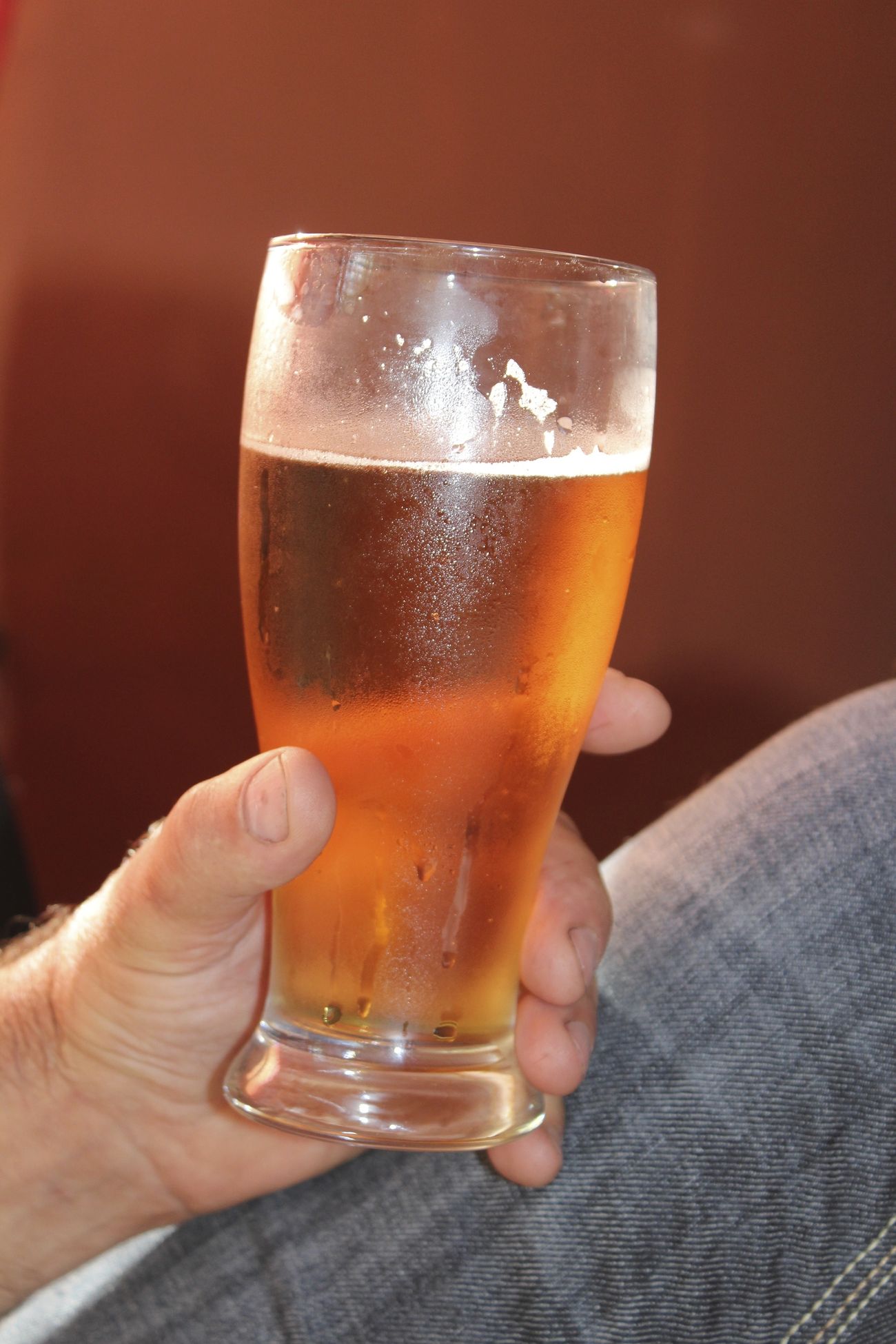

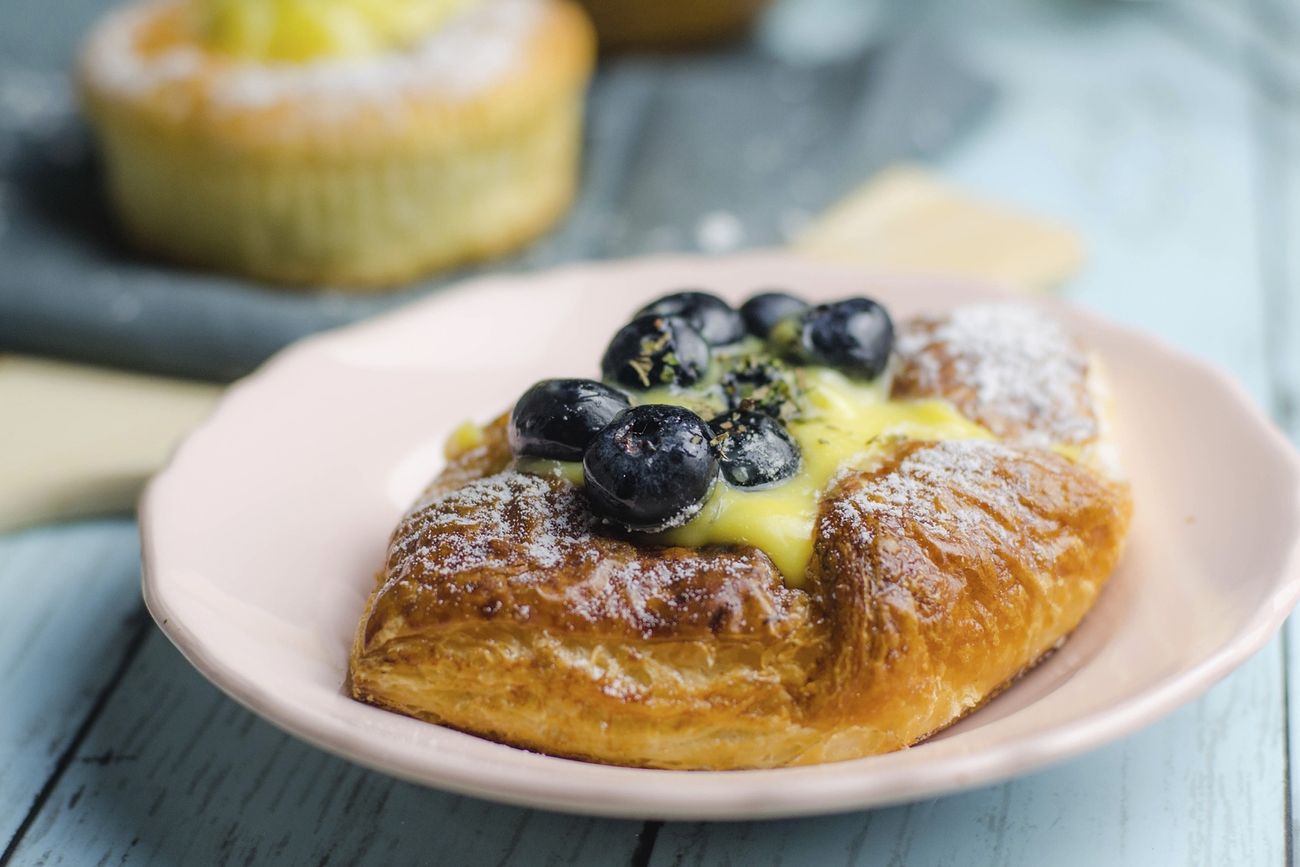
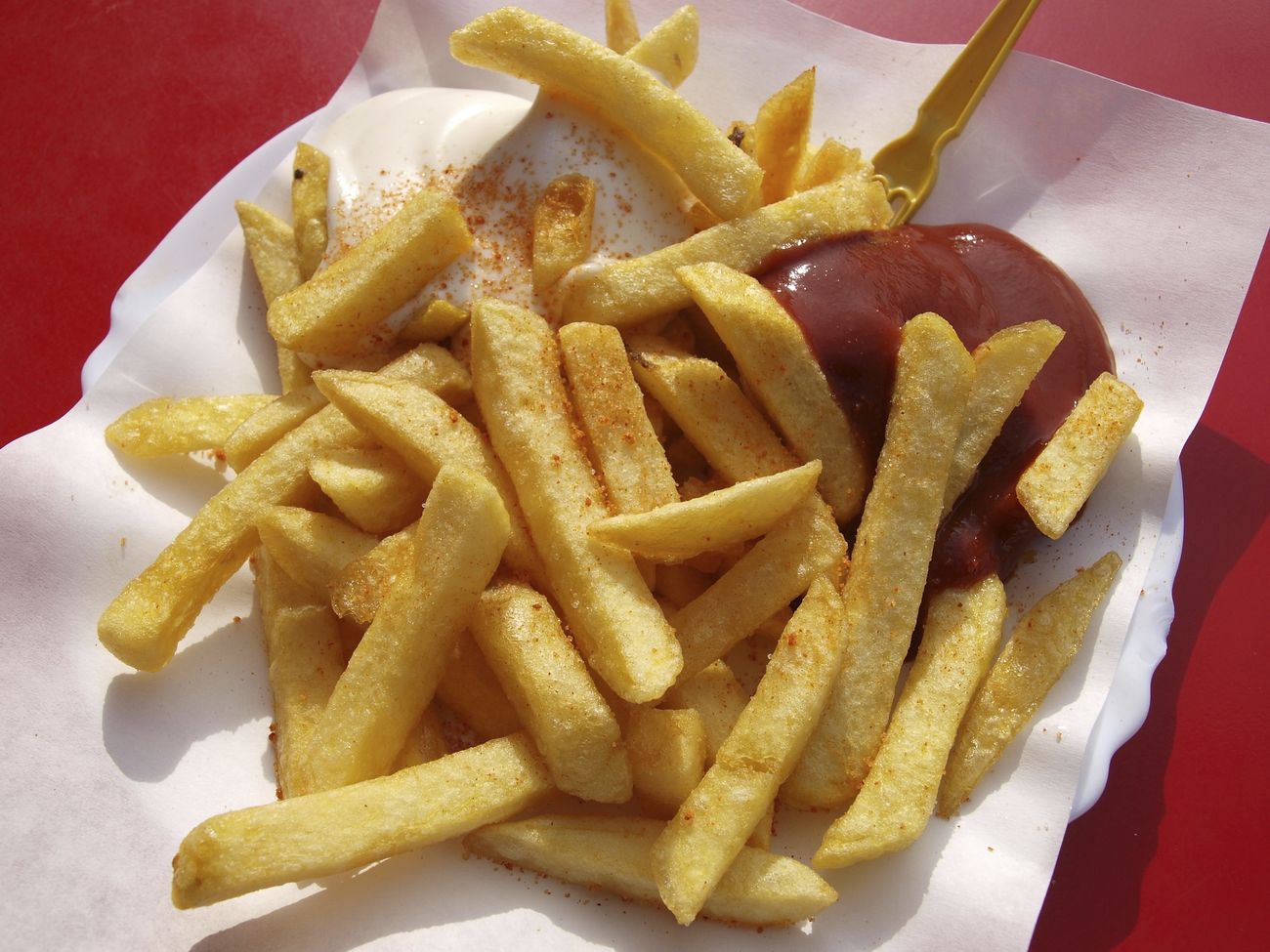

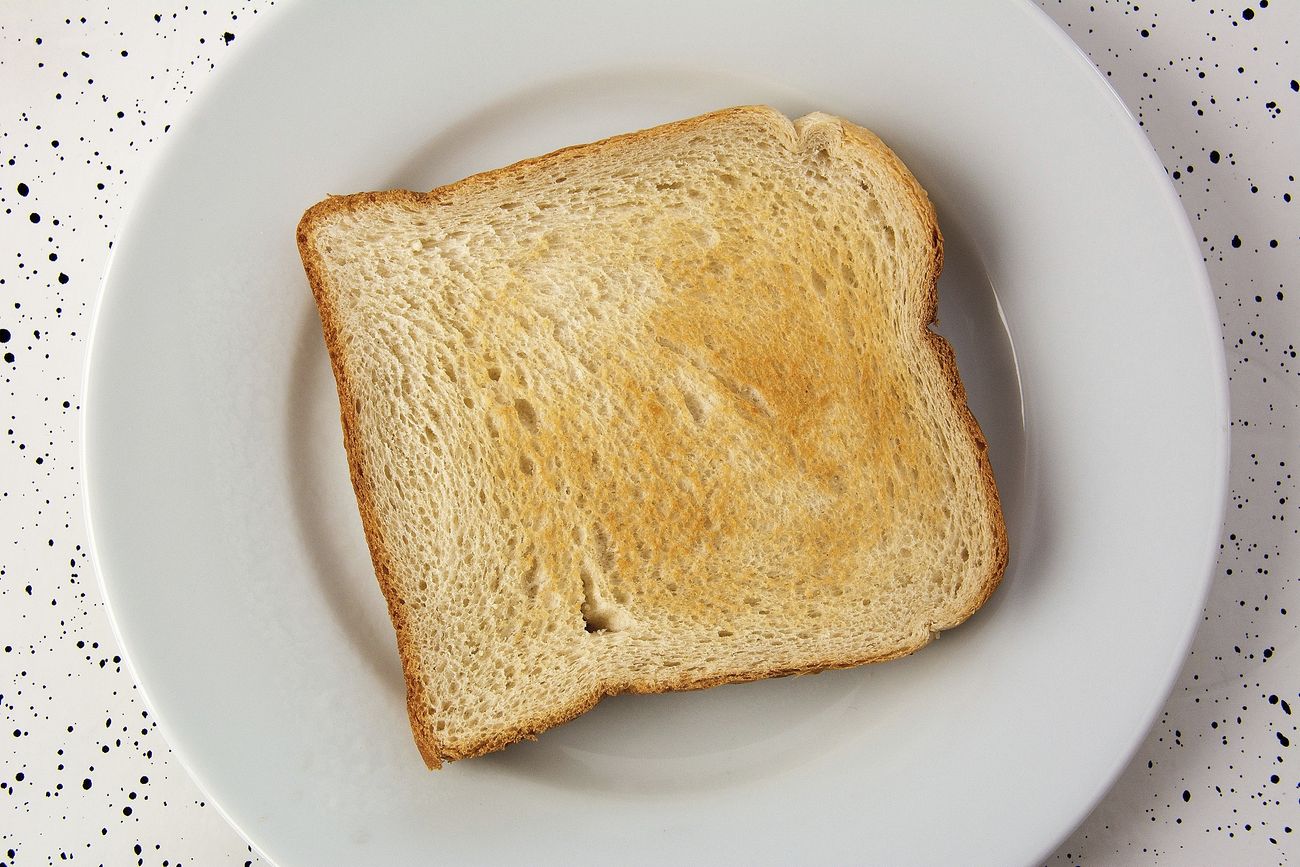
- Beer
- High Calorie Coffee
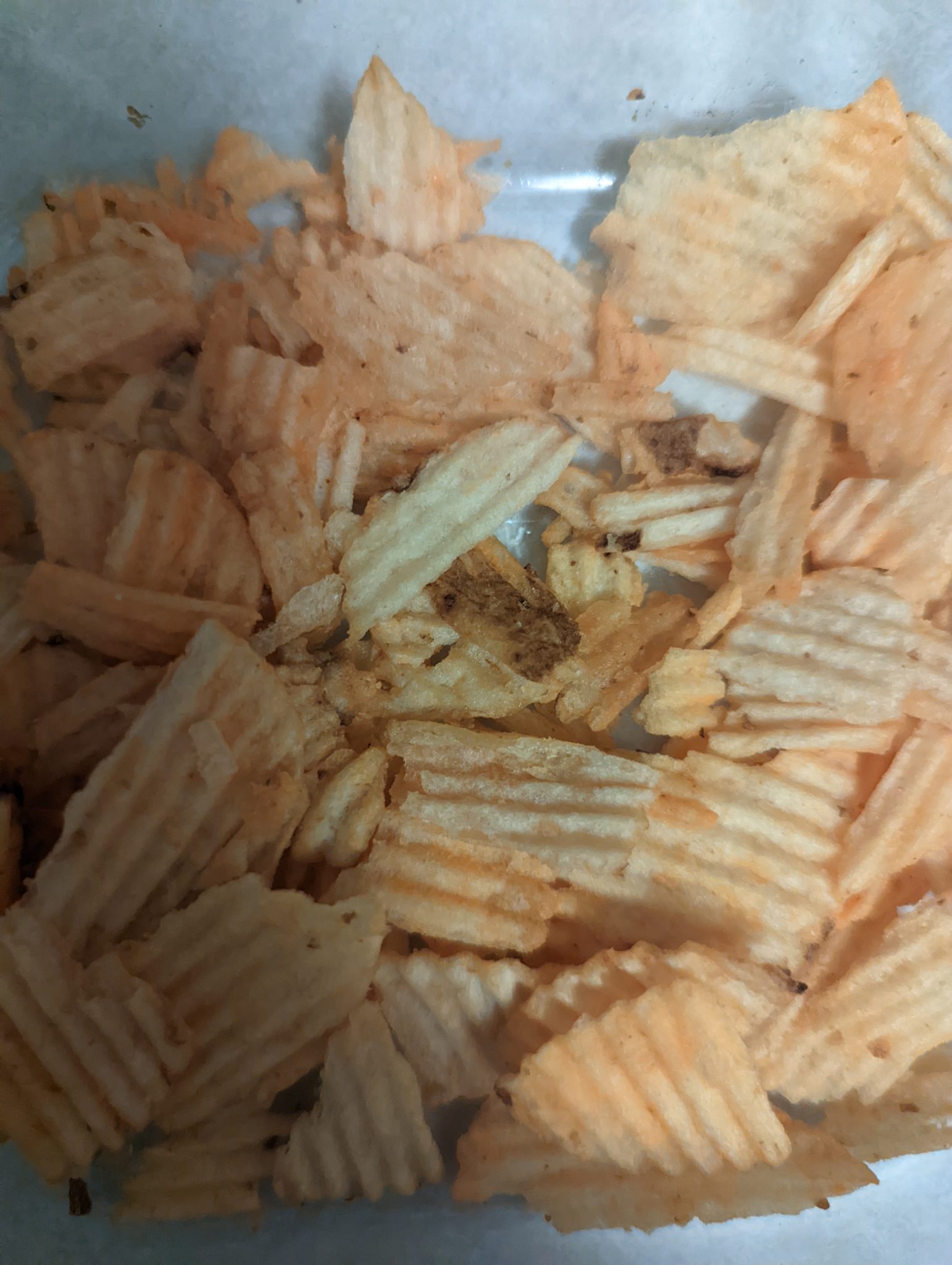
- Potato Chips
- French Fries/Fast Food
- Pastries/sugar cereals
- Sugary Sodas
- Refined White Bread
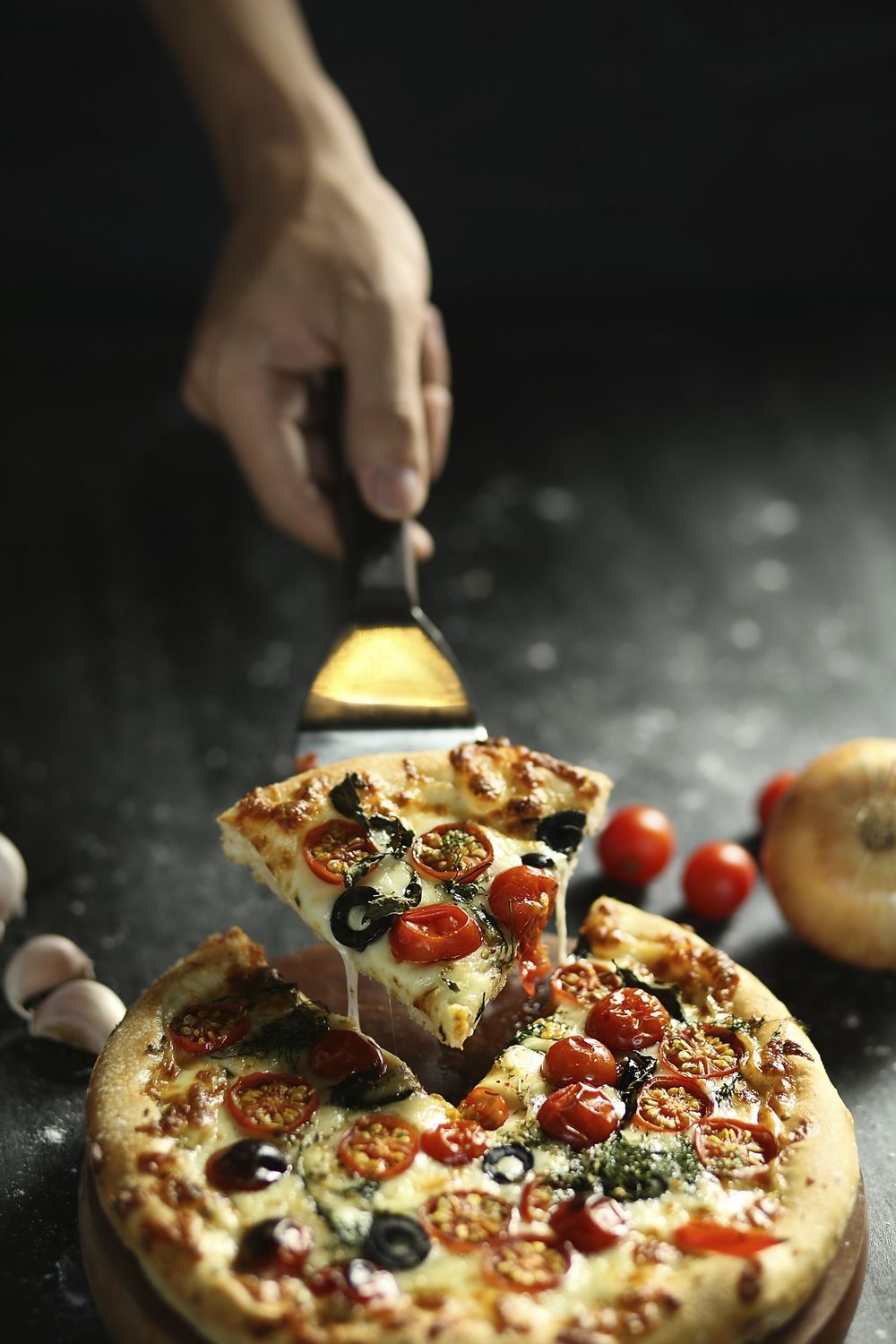
- Pizza
- Ice Cream/Cookies
All of these types of foods are poor choices because they are very high in calories and have relatively little nutritional value. When food has more calories than it is worth nutritionally, it is called caloric-dense food. What we want to eat is a nutrient-dense food which is food that has relatively more nutrients than calories or is both high in calories and nutrients.
Target Foods
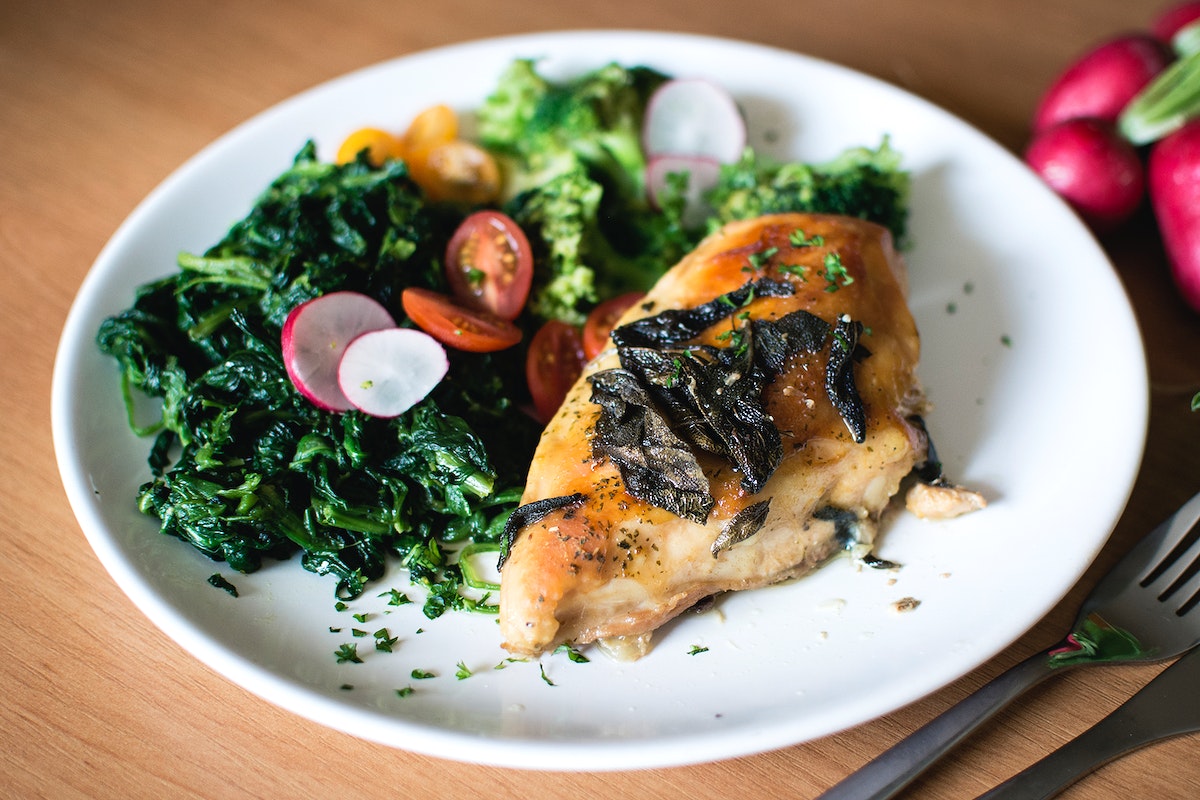
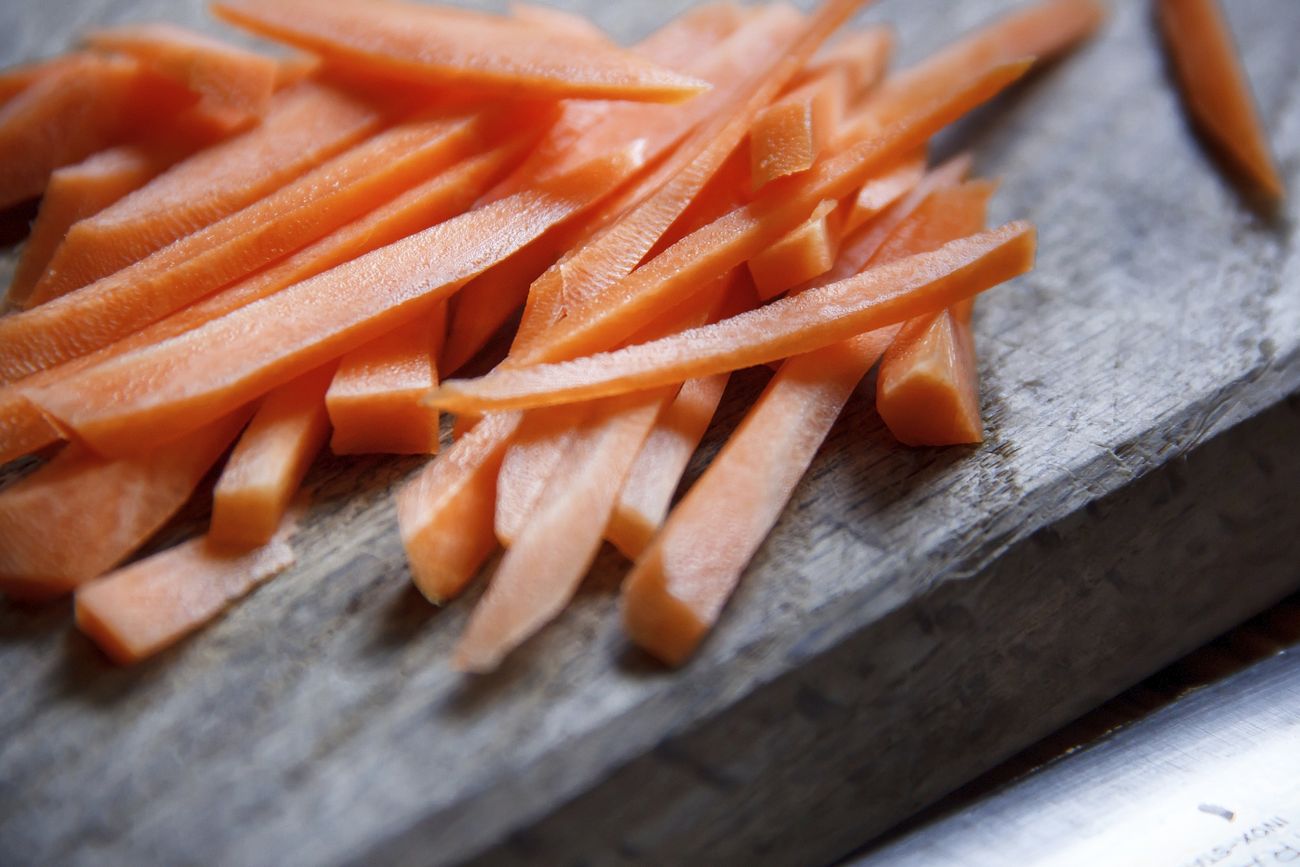
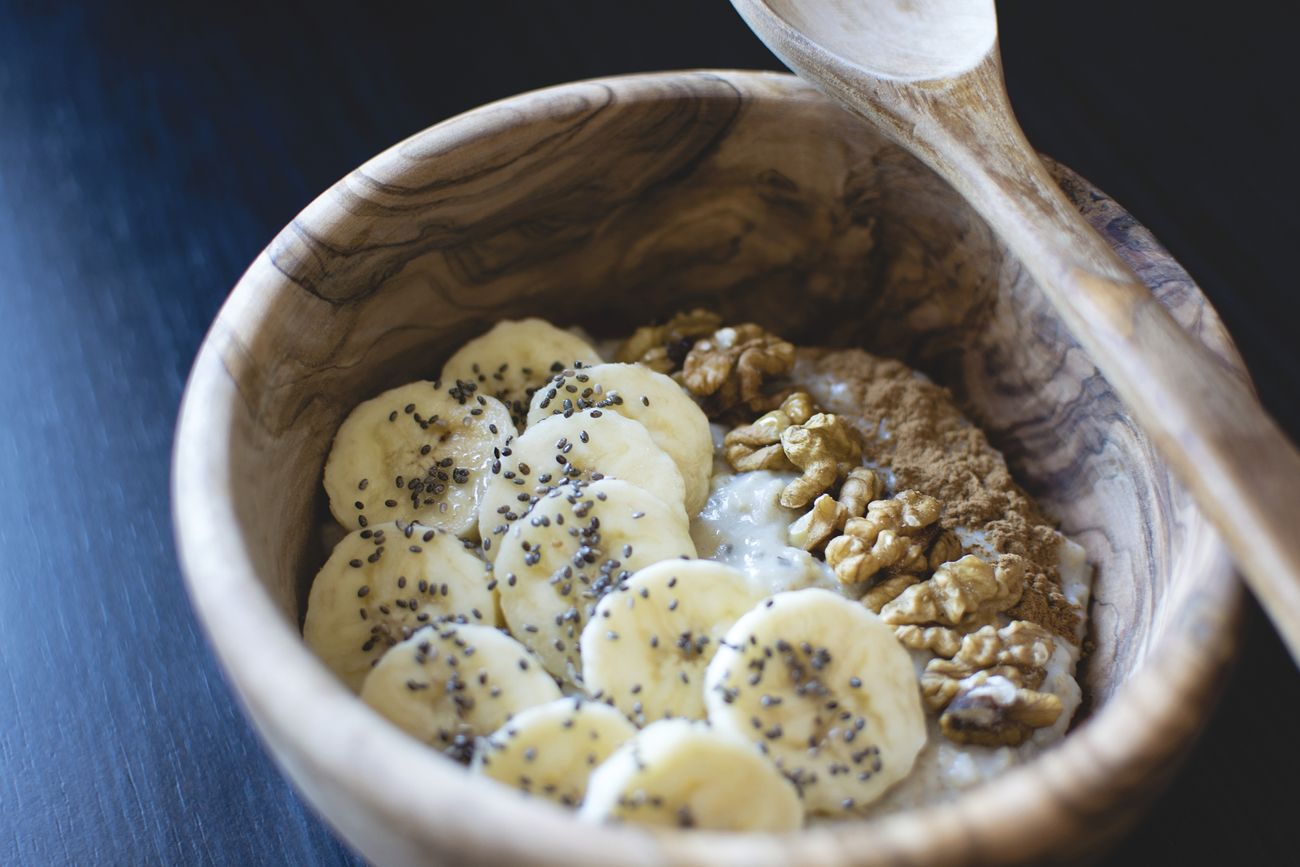
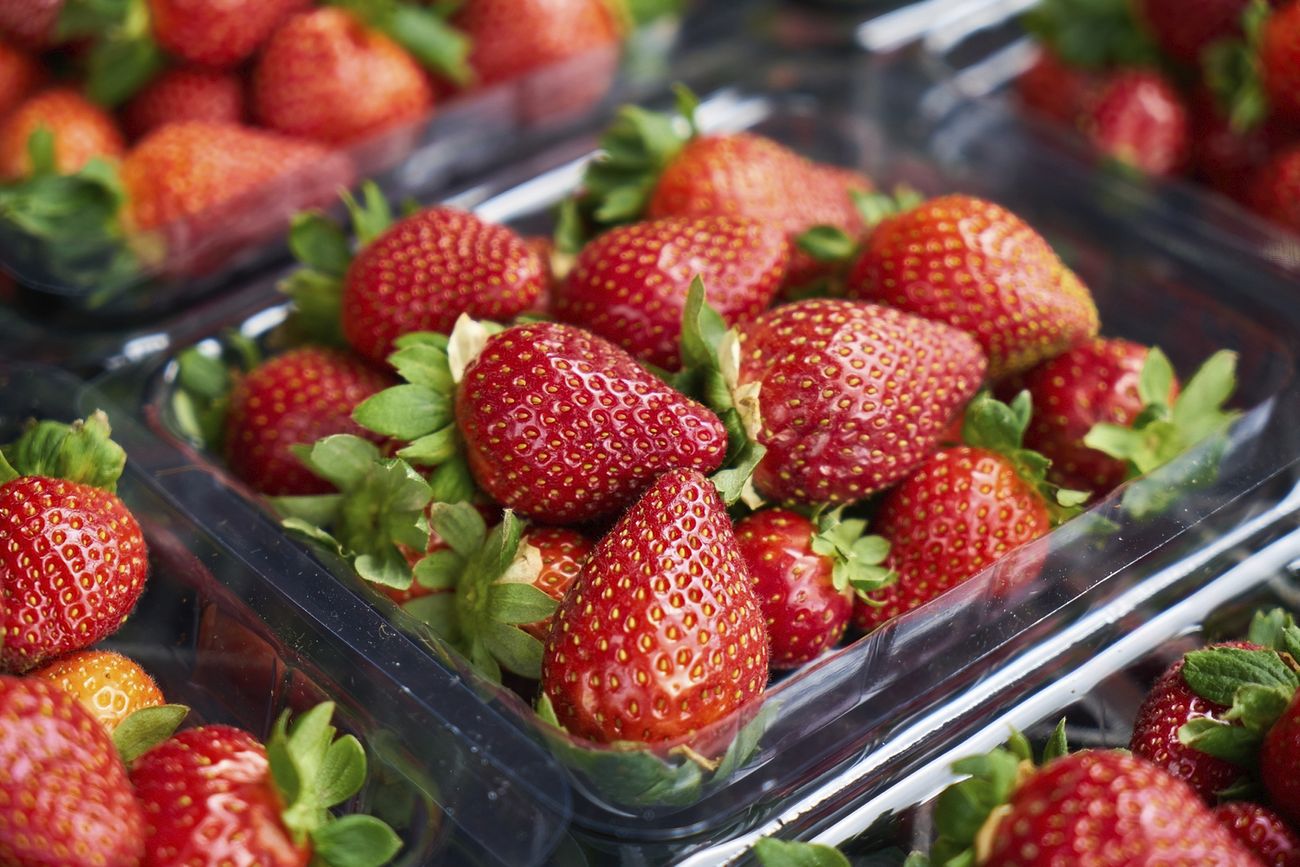
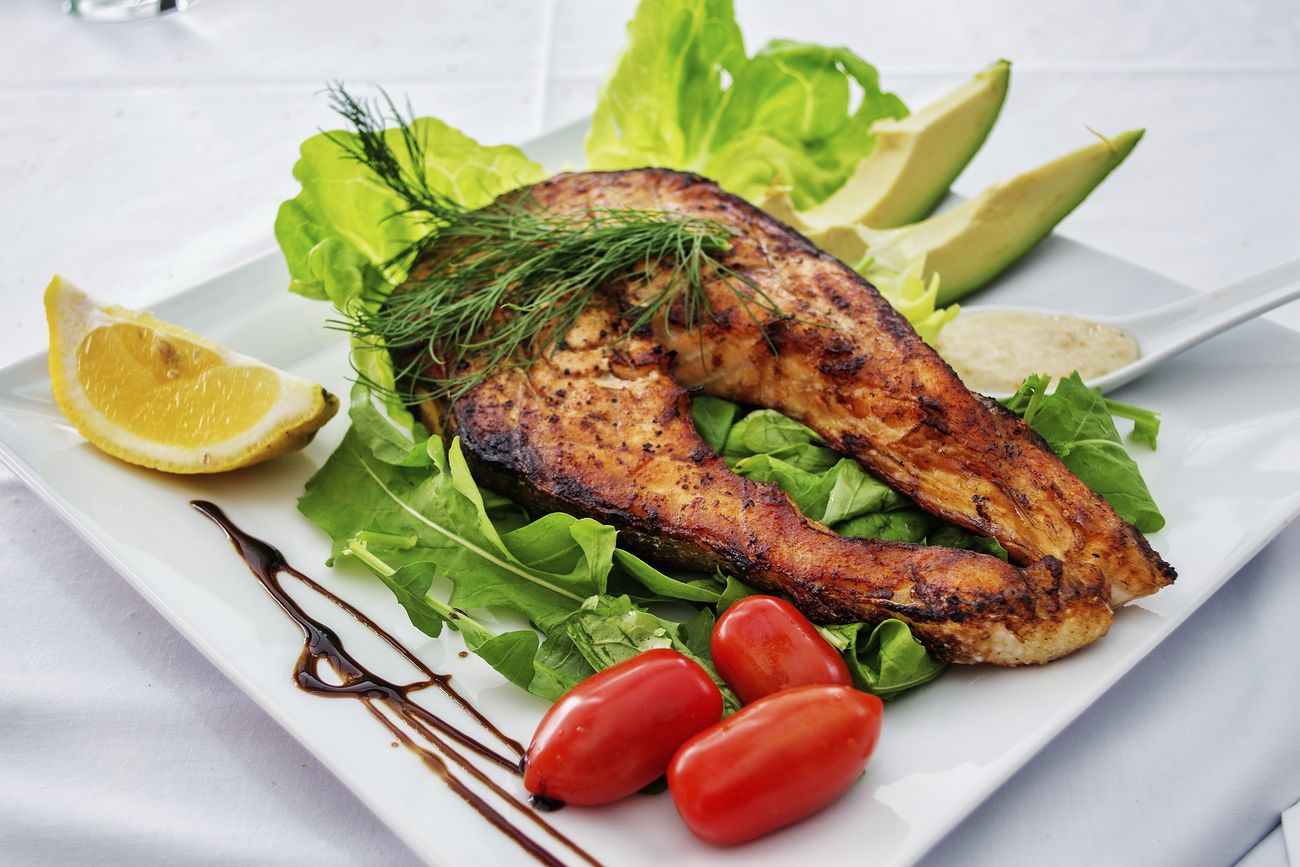
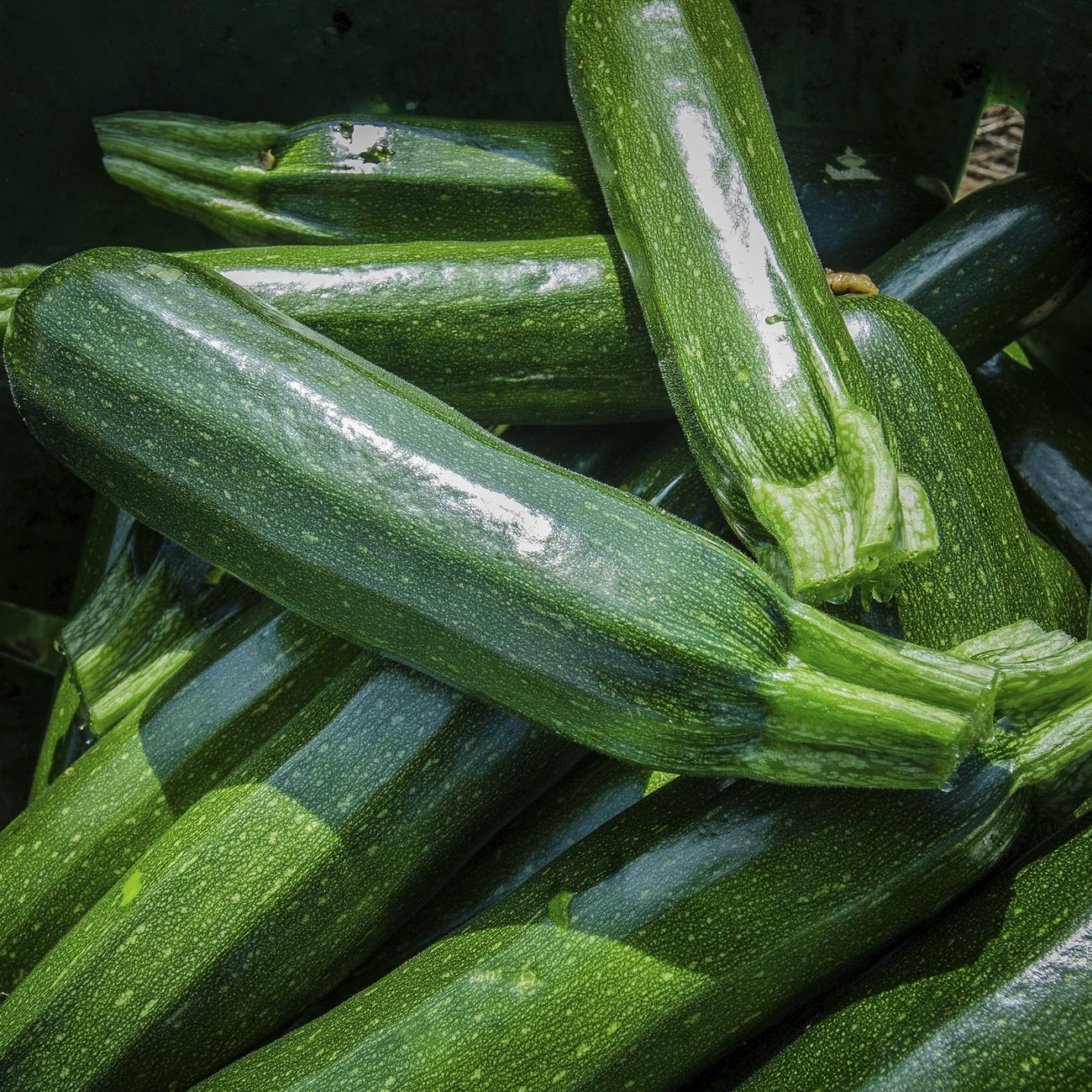
Eating nutrient-dense foods goes a long way in losing weight. Healthy fats and protein will make you feel full longer and provide your body with greater micronutrients (vitamins and minerals) essential for your overall health. Because they are more nutrient-dense than calorie dense, it is more difficult to overeat these types of foods. (this is not a challenge)
- Broccoli
- carrots
- squash
- corn
- oatmeal
- berries
- salmon
- chicken
- beans
- greek yogurt
- tuna
- nuts
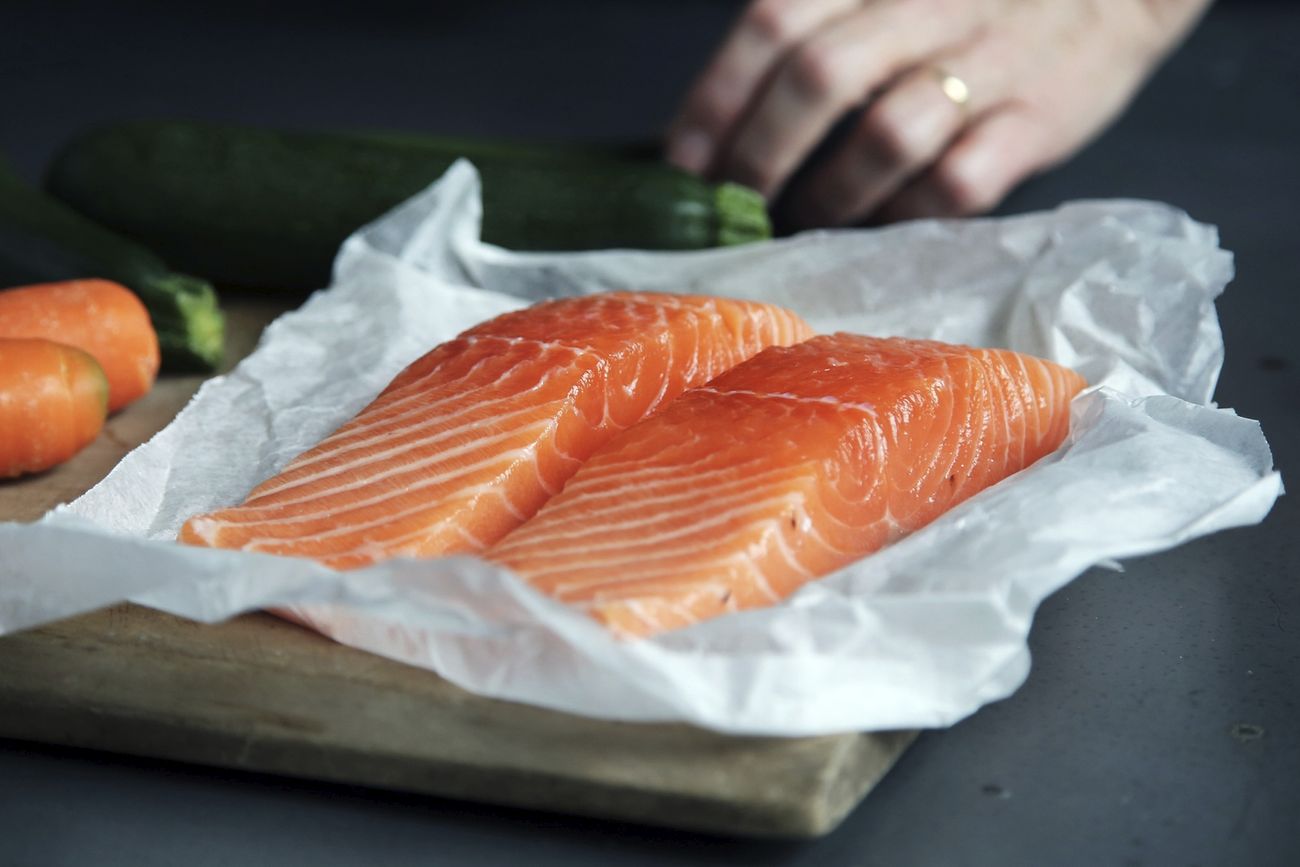


Size Matters

When it comes to what you eat, the quality matters more than the quantity, but that’s not to say you can eat healthily without limits. While it is harder to gain weight when eating healthy, without proper portions, it’s not impossible. Here we will use some quick “handy” references for portion control. When you are thinking portions, think no farther than your hand. It is a consistent unit of measurement and if you are at either extreme in hand size, then you can make adjustments based on your hand. (palm and a half for 4 oz protein or 2 fists for 1 cup fruit).
Measured Versus Actual
Portion versus Serving… These terms seem like they should be interchangeable but are they? Just asking the question should give a hint they are not synonymous. A portion refers to the food you actual choose to eat in one sitting. It could be large, small, medium, 3 cups, 1cup, or 2 cups. A serving is the measured amount of food or drink such as 1/2 cup or 8oz of milk and is probably most identifiable on the Nutrition Label. If I had a large, 3 cup portion of carrots but the serving size was 1 cup, then I had 3 servings of carrots for my one portion. Click this link if you need a refresher on Nutrition Labels. So on one hand you have servings and on the other you have portions. Let’s put our hands and heads together and come up with a reasonable meal plan!
Palm Reading: I See A Slimmer Waistline in Your Future
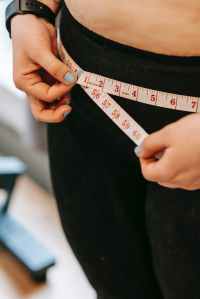
Using your hand to measure portions is a proven way to consistently estimate the amount of calories you are consuming. It does not have to be exact. Hopefully you are following along with the blog and have been tracking your calories in an app or food diary. I purposely waited on an article like this because there is value in being aware of how much food you are consuming and seeing exactly how many calories you consume when you use your own definition of a serving.
As an example let us look at a 4 oz serving of chicken. The palm of an average hand is estimated to be about 3-4 oz of meat. A more individualized approach would be to either measure out 4 oz of chicken and see how it fits in your hand or buy a pre-measured serving of chicken and use your hand as a guide. In this manner you can gauge future servings knowing how a 4 oz serving of chicken fits into your palm. For example, if your palm is truly 4 oz then a palm and a half would be a 6 oz serving. These are rough estimates. Chances are, by using these rough estimations for portions, you are eating significantly less calories than you were before you were trying to make any changes.
Serving Hands
Let’s take a look at other ways we can use our hand to measure food.
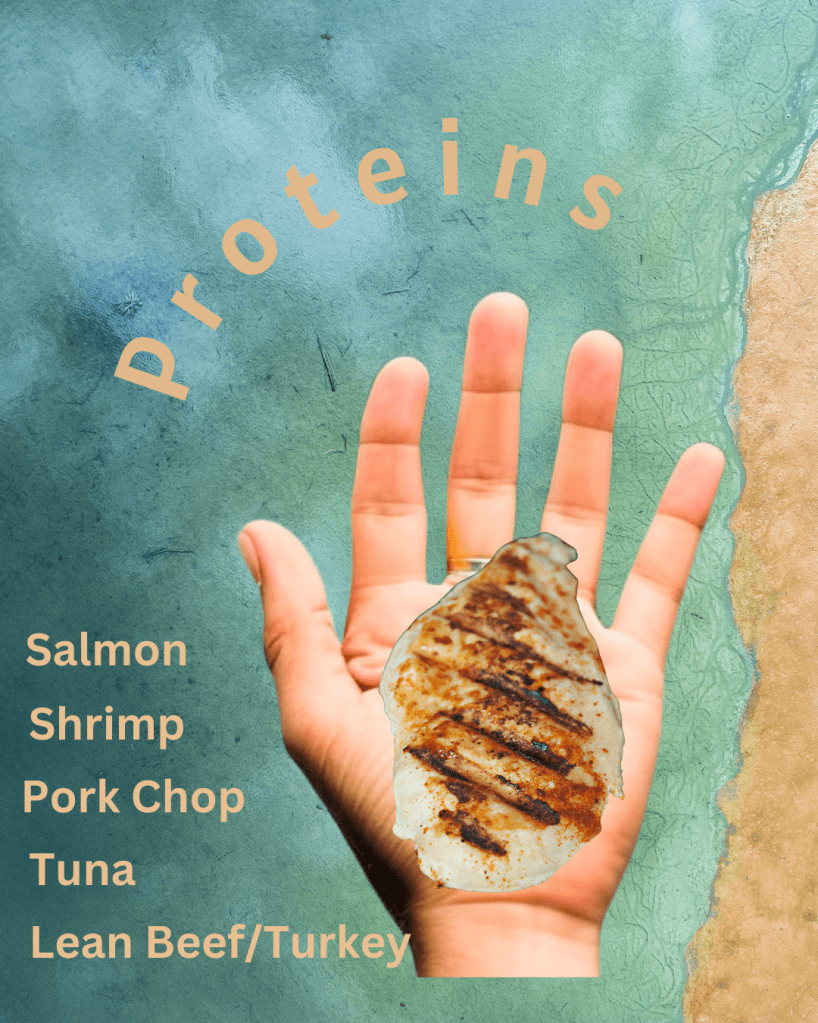
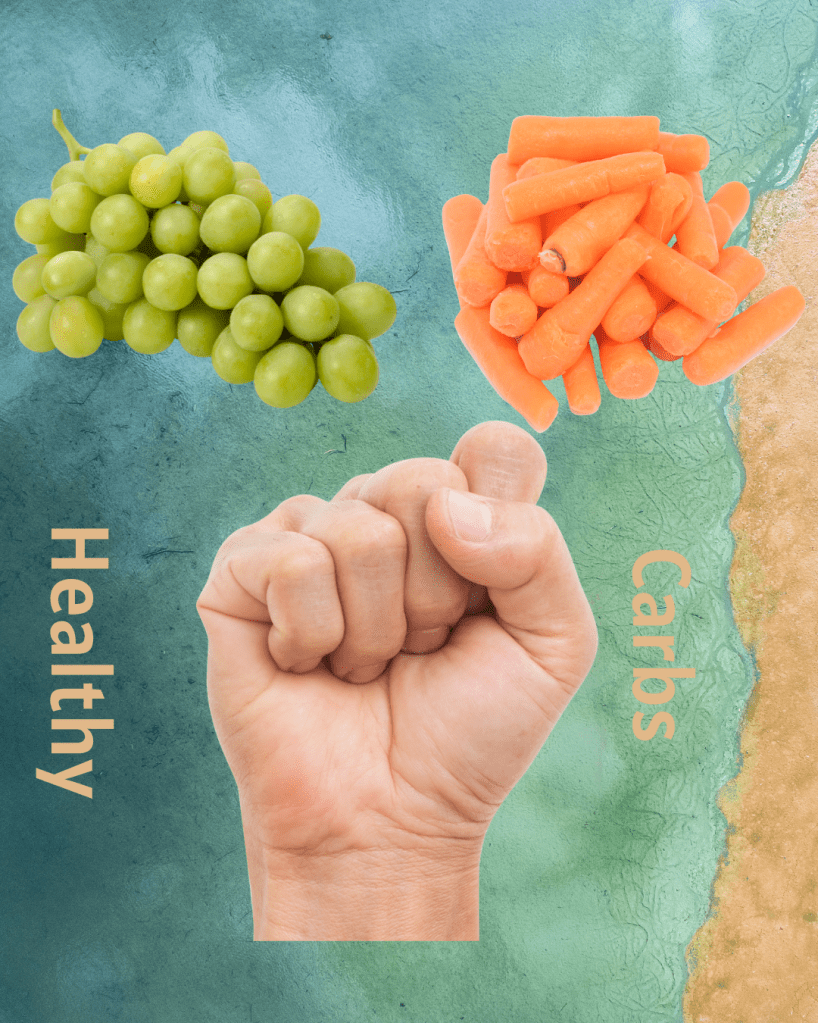
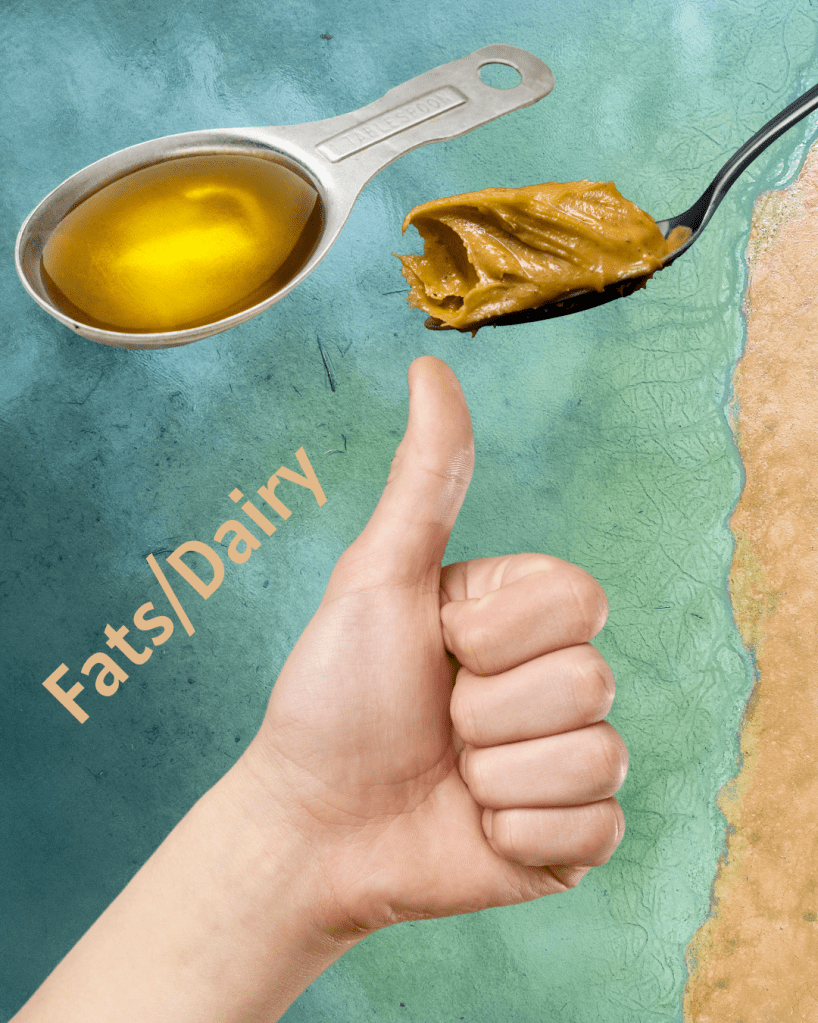
- Palm of Hand is roughly 4oz of meat
- Closed Fist of Hand is about 1 cup of fruits/vegetables
- Thumb of hand is about 1 tablespoon for oils/dairy
- Tip of thumb is a teaspoon
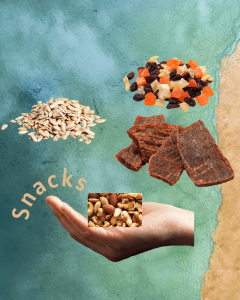
- Cupped Hand is 1/4 cup for snacks
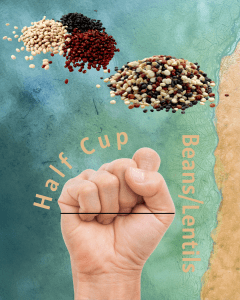
- Half of fist is about 1/2 cup (measured from base of thumb first thumb knuckle) for lentils and beans
Putting It All Together
You have a busy week ahead and you know measuring every meal and snack you eat throughout the day would require you to start before the sun comes up. That’s ok. Having meal prep as an obstacle is very common. If this is you, don’t worry, you have options.
- Try prepping for the week on weekends by making grab and go meals
- Look for easy prep-prepped meals in grocery stores. (United Market Street and H-E-B definitely have these available)
- Enroll in a delivery system like Hello-Fresh, Blue Apron, BistroMD
- This Halo Band comes with a service that suggests nutritious meals, automatically creates a shopping list, and monitors fitness metrics and sleep patterns.


Products in this post and on this site are recommended based on my personal use, not my professional opinion, and individual results may vary. As an Amazon Affiliate, I could earn a commission on qualifying purchases.
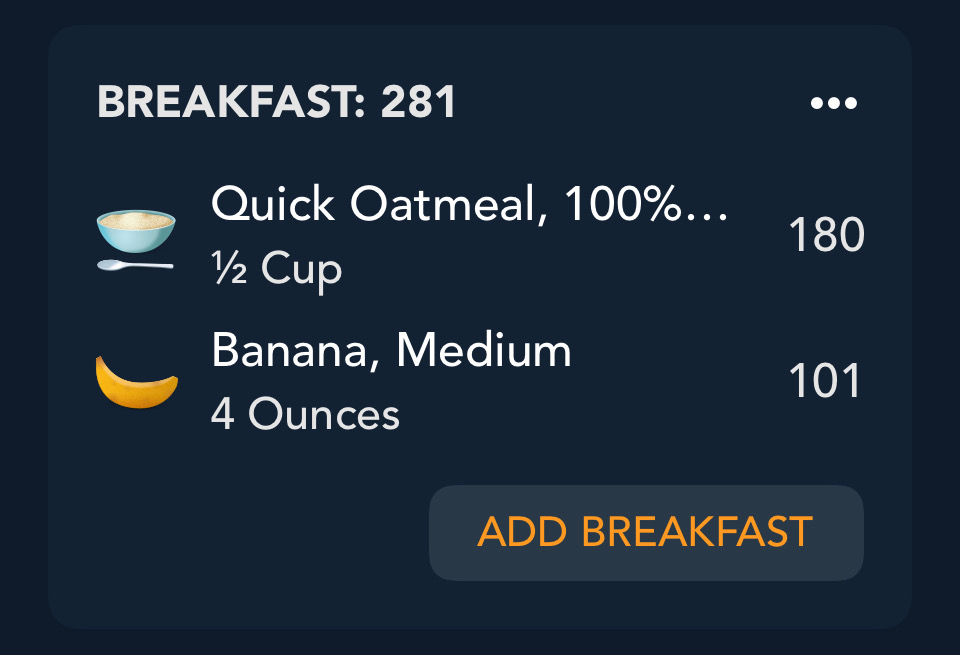
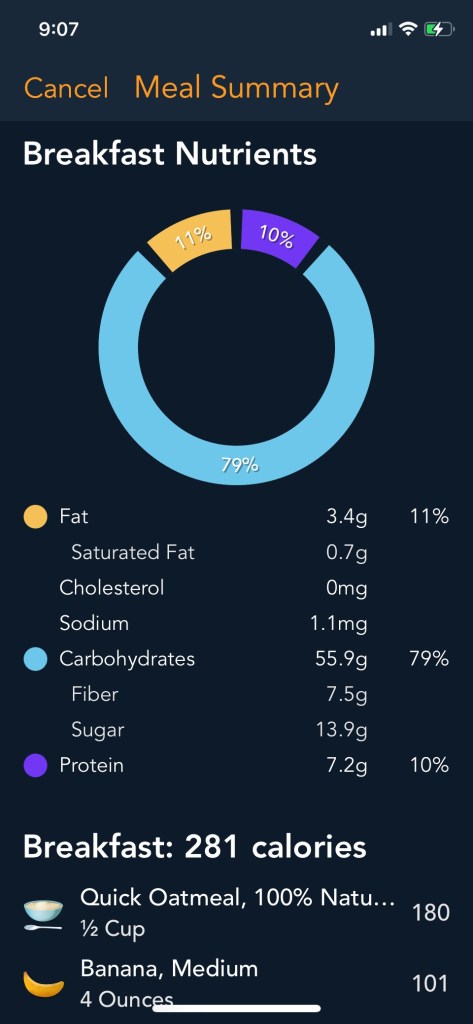
Meals- Sample Breakfast
Build a meal by trying to make your plate 1/2 fruits/vegetables, 1/4 grain, 1/4 protein. Look at the serving size to gauge how many calories you will be consuming and to get an idea how many servings you will need. Alternatively, look up in lose it app how many calories each food is per 1/2 cup, 1cup, 4 oz, etc and use your hand to build your plate.
- Quaker Quick Oatmeal (Half-Fist)
- Banana- Fist
- Stevia
Meals-Sample Lunch
- Chicken Breast 4oz-Palm (159) calories
- Carrots 1/2 cup- Half Fist (27)
- peas 1/2 cup-Half Fist (59)
- whole grain bread- 1 slice (110)
- butter-Tip of thumb (34)
- 389 total calories with

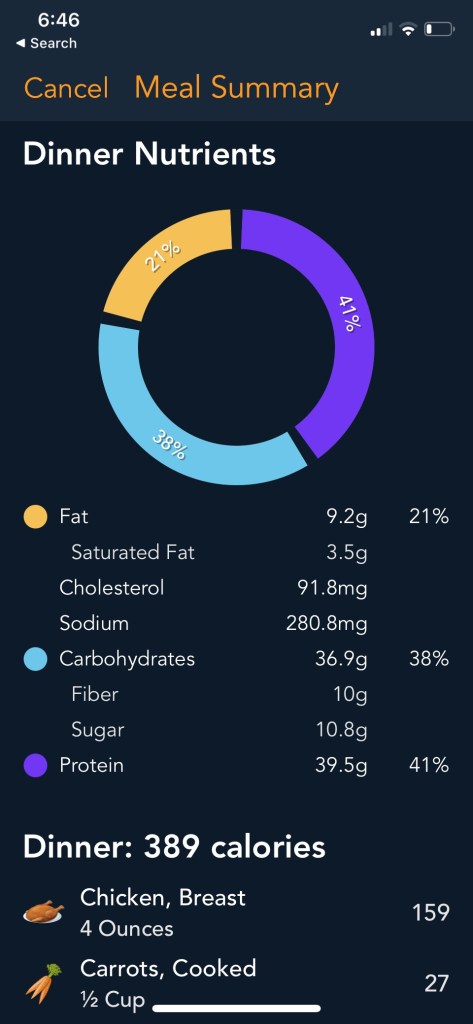
If you are trying to push higher protein, try a palm and a half of chicken (6 oz). You may notice how this seems like a lot of food and it’s only 389 calories? You may think this seems like very little food. That’s because it is a nutrient-dense meal. Try cooking something like this and see how hungry you are after eating it. Remember to sit down, chew thoroughly and drink often.
Meal Sample Dinner
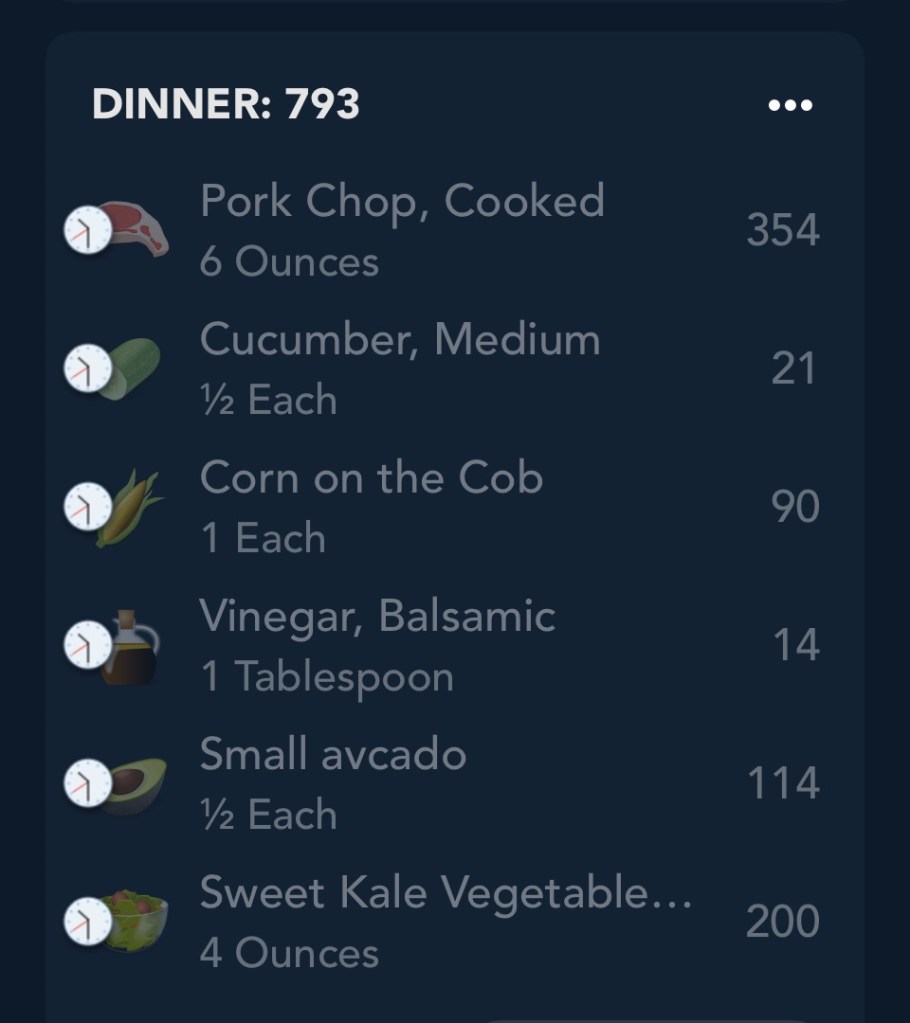
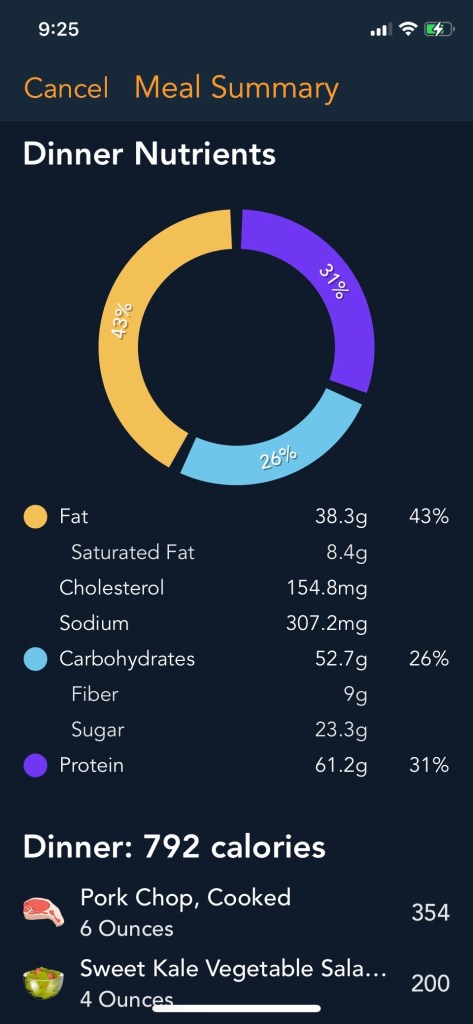
Notice the first image has clocks by the entries. I planned this meal for tomorrow so it hasn’t happened yet. If you meal plan you can actually try to plan and calculate what you should eat that week. This can get very tedious so I would only recommend it starting out until you get the hang of your calorie budget.
- Pork Chop 6oz-1.5 Palms (354)
- Kale Salad Kit 4oz-Fist (200)
- Small avocado 0.5 -Half Fist (114)
- Medium Cucumber Sliced- Half Fist (21)
- Corn-Cob (90)
- Balsamic Vinegar Thumb (14)
- 792 Total Calories
Snack Time!
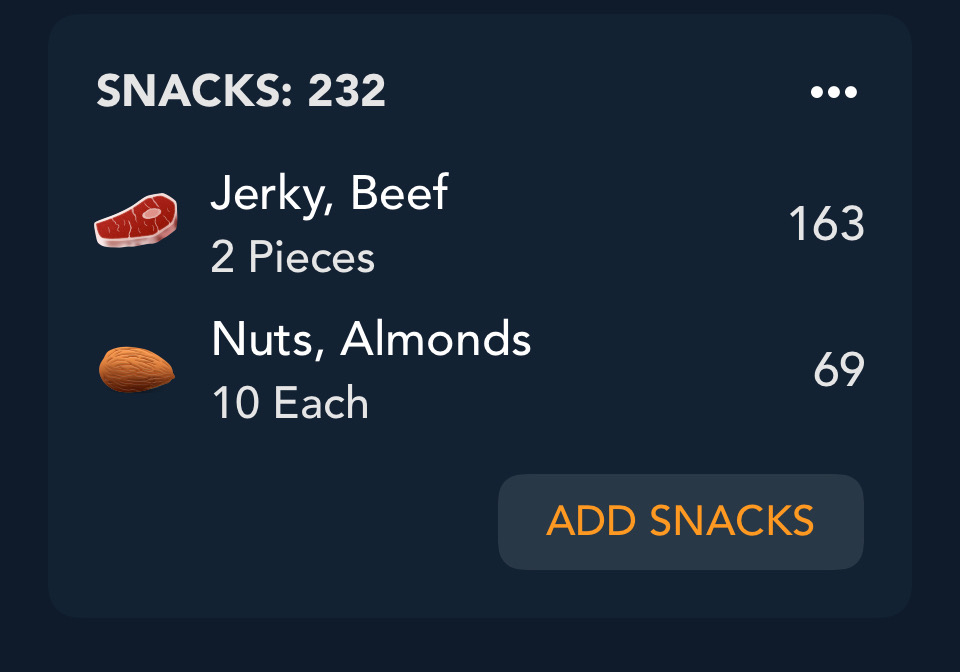
So you’re on this new awesome lifestyle change and have significantly reduced your caloric intake but in between meals has become brutal. First, assess whether you are actually hungry or just bored. If you are actually hungry then have some pre-made healthy go-to snacks for when these rumblings come calling. You may also want to check and see how many calories you can afford to eat in your budget.
- Beef Jerky- 1/4 cup (cupped hand) (231)
- almonds -10 each (69)
Picasso of Cooking
Have you ever looked at an abstract and thought, ” Well I could have painted that”. Well, I don’t think we give ourselves enough credit when it comes to cooking. I am in no way, shape, or form a good cook, but when I want to, putting forth a little effort, I can make healthy food I actually enjoy. Try adding some easy cooking tricks:
- add lemon when you can ( the acidity enhances flavor)
- use a dash of salt, pepper or seasoning mixture ( non-preserved food will be bland)
- make sure you have a meat thermometer so you do under or over-cook meat
Step Wise Tips
- Try incorporating meal prep into your daily or weekend routine
- Try measuring various foods and compare them to your own hand
- Try to eat more “Target” foods and eliminate “No Eat Zone” foods
- Try Cooking or prepping 3-5 meals per week
As always, I hope you enjoyed this blog and found it informative or at least entertaining. Please like, subscribe and share if you enjoyed the content of this post.
 Nutrition and Weight Loss
Leave a comment